
Filter Products
Filter Products
Ceramic Blocks
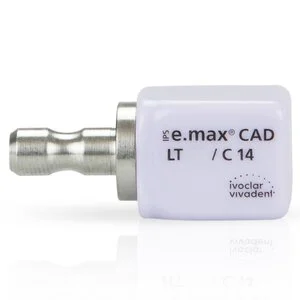


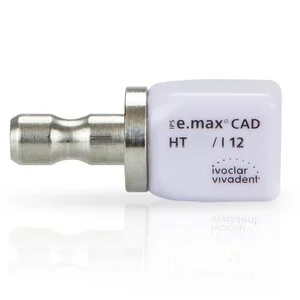


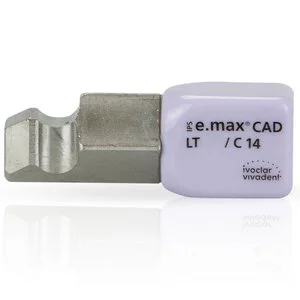
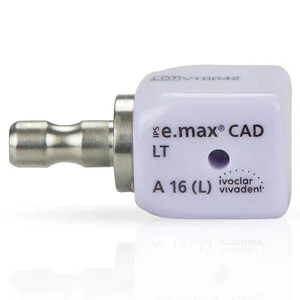


As low as
$112.55




What are ceramic blocks?
Ceramic blocks are CAD/CAM materials made of inorganic, non-metallic substances processed at high temperatures. They mimic the physical and visual characteristics of enamel and dentin. Dental ceramic blocks are tooth-colored restorative materials. They balance esthetic vitality, such as translucency and opalescence, with the mechanical strength needed in the oral cavity. Ceramic blocks maintain surface gloss, resist plaque accumulation, and offer superior color stability.
What are the key material categories for ceramic CAD blocks?
Ceramic CAD blocks come in distinct material categories for different clinical needs. Knowing these helps dentists select the right block for both strength and esthetics.
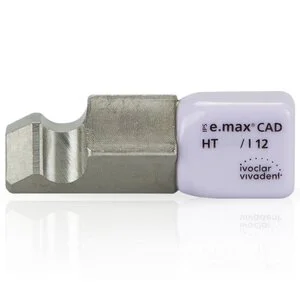
- Lithium disilicate blocks, such as Ivoclar’s IPS e.max CAD and CELTRA Duo from Dentsply Sirona, offer strength and esthetics for crowns, inlays, onlays, and veneers. Some need post-milling crystallization. Their durability delivers trustworthy performance in load-bearing restorations.
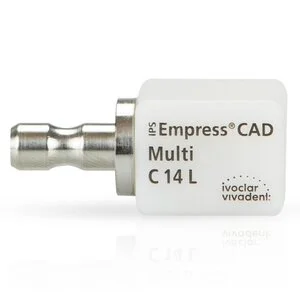
- Feldspathic ceramics offer translucency and shade-matching, making them well-suited for anterior cases. VITABLOCS Mark II and Empress CAD from Ivoclar have flexural strength and excel in esthetic restorations, inlays, and onlays with precise margins.
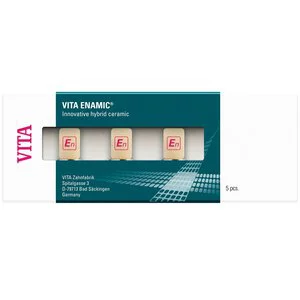
- Hybrid ceramics like VITA ENAMIC combine ceramic and polymer to mimic dentin’s elasticity, absorb chewing forces, suit implant crowns, mill efficiently, and require no firing for fast chairside results.
What is the difference between the translucency levels: HT, LT, and MT?
Selecting the correct shade is only half the battle in esthetic dentistry; selecting the correct translucency is equally critical. Most ceramic CAD blocks are available in different levels of translucency to address various clinical challenges.
- High Translucency (HT) blocks transmit substantial light. They are suited for restorations when the underlying tooth is healthy, bright, and natural in color. HT blocks excel for inlays, onlays, and veneers because they blend with adjacent teeth.
- Low Translucency (LT) blocks are more opaque and mask underlying abutments. Use LT blocks for dark or non-vital teeth and implant abutments. LT blocks fit full-contour crowns and benefit from surface staining before glazing.
- Medium Translucency (MT) blocks are highly effective for anterior crowns and veneers where some masking is necessary, but high esthetics and light dynamics remain a priority.
How should ceramic block material selection be matched to clinical indications for restorations?
A successful digital workflow relies on pairing the clinical indication with the appropriate ceramic block. Standardizing this decision-making process assures predictable clinical results and decreases the likelihood of catastrophic material failure.
- Inlays and Onlays: Use materials that maintain marginal integrity for shallow preparations exposed to wear. Leucite-reinforced glass-ceramics and lithium disilicate are recommended. Highly translucent materials blend well with the surrounding enamel.
- Anterior Veneers and Crowns: Choose materials with superior opalescence and fluorescence, like feldspathic ceramics, advanced glass-ceramics, or esthetic lithium disilicate blocks. Balance strength needs with esthetic vitality; fully crystallized or selectively stained lithium disilicate can achieve lifelike results.
- Posterior Full-Contour Crowns: Use lithium disilicate for strength in single-unit crowns. For second molars or bruxism cases, high-strength lithium silicate provides durability and fracture prevention.
How do ceramic milling blocks compare to zirconia milling blocks?
- Ceramic blocks (glass ceramic and lithium disilicate) produce exceptional natural esthetics, with superior translucency and a natural look. They’re ideal for esthetic cases such as anterior crowns and veneers, offering strong bonding and rapid crystallization to streamline chairside workflows. The broad selection of shades and translucency options available in ceramic blocks empowers dental professionals to achieve seamless shade matching, ensuring that restorations both blend in and stand out for patients who value esthetic outcomes.
- Zirconia blocks deliver top strength and durability, making them ideal for posterior restorations, long-span bridges, and patients with bruxism. With unmatched flexural strength and enhanced esthetics from multi-layered designs, zirconia offers reliable, natural-looking results and long-term wear. Incorporating zirconia into digital workflows boosts efficiency and ensures lasting performance for demanding cases.