
Filter Products
Filter Products
Finishing & Polishing Products
As low as
$79.28
As low as
$89.13






As low as
$43.12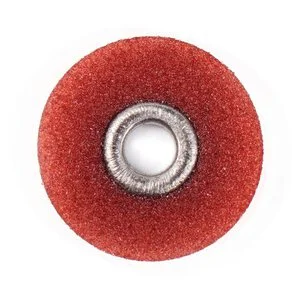
As low as
$56.71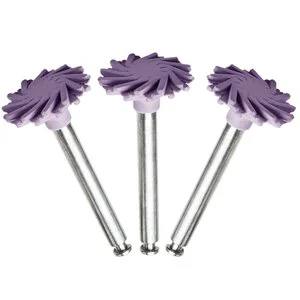
As low as
$50.38
As low as
$52.29As low as
$44.90
- Free, fast shipping included
- No order minimum
- No subscription required
- No hidden fees

As low as
$59.63


As low as
$67.50What is the difference between dental finishing and polishing?
Dental finishing generally contours restorations, removes excess material, refines anatomy, and smooths surface irregularities. Dental polishing follows finishing and uses progressively finer abrasives to create a smoother, more refined surface and attain the desired final luster. Dental professionals may use finishing discs, finishing strips, mounted stones, dental polishers, and polishing materials in a sequential finishing and polishing protocol based on the restorative material and manufacturer’s instructions.
What are dental finishing and polishing discs used for?
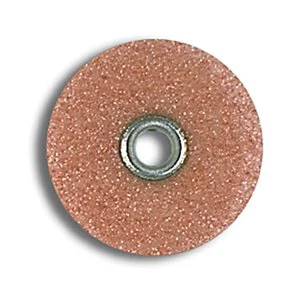
Dental finishing and polishing discs provide controlled contouring, finishing, and polishing of restorative surfaces. Depending on the specific system, they may be used for applications including:
- Contouring and removing excess restorative material with coarser abrasives.
- Smoothing and refining restoration anatomy with intermediate grits.
- Forming a smoother surface with fine and superfine polishing discs.
- Accessing facial, lingual, and certain interproximal areas with flexible or extra-thin discs.
- Finishing and polishing composite and other compatible restorative materials according to the product manufacturer’s recommended protocol.
What grit sequence is used for dental finishing and polishing?
Dental finishing and polishing systems typically progress from coarser abrasives for contouring and material reduction to finer abrasives for smoothing and final polishing. The exact sequence varies by product and restorative material, so dental professionals should follow the manufacturer’s instructions for the selected finishing discs, polishers, or polishing system rather than assume that grit sequences are interchangeable.
What are dental finishing strips used for?
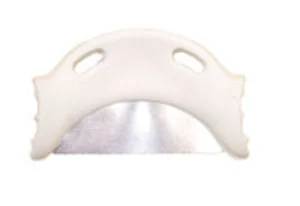
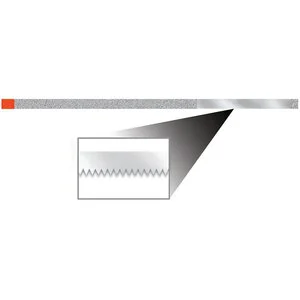
Dental finishing strips provide access to proximal and interproximal areas that can be difficult to reach with rotary instruments. Depending on the product and indication, dental professionals may use finishing and polishing strips to:
- Remove or refine excess restorative material in interproximal areas.
- Contour and smooth proximal restoration surfaces and margins.
- Progress through different abrasive grits for finishing and polishing.
- Access tight contact areas where finishing discs may be less practical.
- Finish compatible composite and other restorative materials according to the manufacturer's instructions.
How does a dental professional choose between polishing discs, cups, points, and wheels?
The appropriate shape depends on the restorative material, surface anatomy, access, and stage of the finishing and polishing procedure. Dental professionals may consider:
- Discs for accessible flat or convex surfaces and contouring restoration margins.
- Cups for polishing curved or broader restoration surfaces, when indicated.
- Points for grooves, concave surfaces, and areas requiring more targeted access.
- Wheels for wider surface contact and applicable finishing or polishing procedures.
- Material compatibility when selecting an abrasive designed for composite, ceramic, zirconia, acrylic, or other restorative materials.
Product indications vary, so consult the manufacturer's instructions when selecting an instrument and polishing sequence.
Can the same finishing and polishing products be used on composite, ceramic, and zirconia?
Not necessarily. Finishing and polishing products are designed with different abrasive materials, grits, and instrument configurations for specific restorative materials and applications. A product intended for composite finishing and polishing may not have the same indications as a ceramic or zirconia polisher. Dental professionals should select a finishing or polishing system specifically indicated for the restorative material being treated and follow the manufacturer's instructions for use.