
Filter Products
Filter Products
Intraoral & Diagnostic Cameras


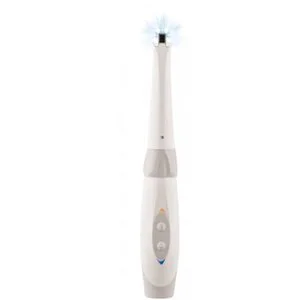

What is an intraoral camera used for in dentistry?
An intraoral camera is a compact, handheld dental device resembling an oversized pen or wand, equipped with a high-resolution lens and LED lights. Dentists and hygienists use it to capture detailed, magnified video and still images of the oral cavity, providing a real-time illuminated view of the patient's teeth and gums beyond what mirrors and X-rays show.
Intraoral cameras display high-resolution images chairside, enabling dental teams to quickly identify hidden issues such as caries, fractures, and plaque. Real-time visuals help patients understand their diagnoses, boosting case acceptance and trust. Images are stored in the digital file, supporting insurance needs and tracking oral health over time.
How do dentists use intraoral images in their practice?
Using an intraoral camera streamlines patient care and operations. Dental teams rely on crisp images for accurate diagnosis, efficient documentation, and improved patient acceptance.
Dental practices use intraoral images to drive clinical outcomes and business success in several core ways:
- Patient Education and Case Acceptance: Clear images improve understanding and raise case acceptance.
- Diagnostic Precision: High-resolution images reveal details missed by the naked eye, enabling earlier, more accurate identification of problems.
- Insurance Claims: High-definition images provide insurers with the required documentation, reducing denials and speeding up approvals.
- Clinical Documentation: Adding images to digital charts tracks changes and supports accurate patient records.
- Specialist Referrals: Sharing detailed intraoral photos enables smooth, informed referrals.
What are the key features to evaluate when choosing an intraoral camera?
Selecting the right intraoral camera means evaluating features to maximize workflow and profitability.
- Image Quality, Optics, and Illumination: Choose intraoral cameras with true HD resolution and high-quality sensors for sharp, accurate images on larger monitors. Look for bright, balanced white LED lighting to enhance visibility and show true tissue color. Advanced models may also offer specialized LEDs for detecting caries or screenings.
- Software Integration and Compatibility: Choose an intraoral camera that easily integrates with your practice management and imaging software. Look for USB connectivity, TWAIN compliance, or direct integration to ensure a smooth workflow. Top models allow one-button image capture to patient charts, streamlining documentation and supporting infection control.
- Ergonomics, Design, and Durability: Select a lightweight camera shaped like a dental handpiece to minimize hand fatigue. Ensure the capture button is accessible for left- or right-handed users. The wand should be durable and function well, even when covered for infection control.
- Balancing Pricing and Value: Select an intraoral camera balancing price and quality. Prioritize HD clarity and compatibility from trusted suppliers. Consider accessory costs, warranty, and support. A well-supported, reasonably priced camera provides lasting value and better outcomes.
What is the difference between an intraoral camera and an intraoral scanner?
As digital dentistry expands, many dental professionals want to understand how intraoral cameras compare to scanners when considering new technology for their practices.
- An intraoral camera is a high-definition digital tool that captures vibrant 2D images and video of the oral cavity. It primarily supports diagnostic visualization, patient education, case presentation, and insurance documentation, showing the patient issues as the dentist sees them in real time.
- An intraoral scanner is a 3D imaging device that captures thousands of digital images per second to produce precise, three-dimensional maps of teeth and soft tissues. It replaces traditional impression materials and optimizes the process for designing aligners, crowns, bridges, implants, and surgical guides.
What are the risks of using an intraoral camera?
When evaluating the risks of using an intraoral camera, dental practices should consider the following key areas:
- Cross-Contamination: Infection control is important with intraoral cameras, as they can transmit pathogens between patients. Always use properly fitted disposable barrier sleeves for each patient and disinfect the wand according to the manufacturer's guidelines between uses.
- Misdiagnosis Due to Poor Image Quality: If a practice uses a low-quality camera with inadequate LED lighting or a heavily scratched lens, the resulting blurry or discolored images can hamper accurate diagnosis. A clinician might miss a subtle fracture or mistake a shadow for recurrent decay. Maintaining optimal lens clarity and investing in HD technology help prevent this diagnostic risk.
- Data Security and HIPAA Compliance: Intraoral images are Protected Health Information (PHI). If a camera's imaging software is not secure, or if images are stored locally on an unencrypted laptop rather than securely on the practice's server, the practice risks a HIPAA violation. Ensure that all capture software encrypts data and integrates securely with your compliant practice management system.
- Workflow Disruption: Introducing a camera with poor software compatibility can cause computers to crash or require frequent IT troubleshooting. This risk disturbs the operatory schedule, creating frustrating bottlenecks for the dental team and the patient.