
Filter Products
Filter Products
Zirconia Blocks


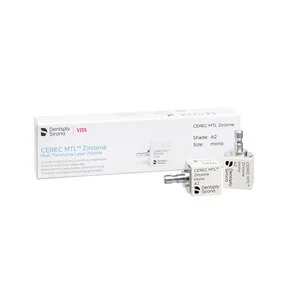
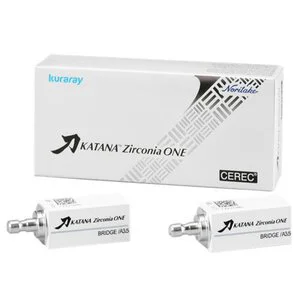


As low as
$155.59

As low as
$158.48
As low as
$144.25


What are zirconia blocks?
Zirconia blocks are advanced dental materials made from zirconium dioxide and stabilized with yttrium oxide. This improves long-term performance and resists cracking. The blocks are supplied in a partially sintered state for easier, more precise milling. After milling, they are fired at high temperatures to gain final strength, durability, and translucency. Digitally designed, CAD-CAM zirconia crowns and restorations made from these blocks offer excellent marginal fit and impressive flexural strength. Because of these qualities, zirconia blocks are trusted for posterior crowns, bridges, and implant-supported prosthetics. With today’s multi-layered options, natural-looking anterior restorations are possible, too.
What are the differences between monolithic and multi-layered zirconia blocks?
When purchasing zirconia blocks, dental practices must choose between monolithic (monochrome) and multi-layered options. This choice directly affects the post-milling finishing process and the final esthetic outcome.
- Monolithic zirconia blocks are uniform in color throughout. They provide consistent flexural strength throughout the restoration. To achieve a natural appearance, dental professionals must add stains and a final glaze. This creates the illusion of cervical warmth and incisal translucency. The approach is economical but adds labor time to the process.
- Multi-layered zirconia blocks are transforming CAD/CAM dentistry. They feature a built-in color gradient that replicates the appearance of a natural tooth. This design streamlines workflow by eliminating complex staining steps. Clinicians can simply mill, polish, or glaze, then cement the restoration. Premium options, such as the KATANA Zirconia blocks by Kuraray, showcase this technology. Dentsply's CEREC Cercon 4D zirconia block improves upon traditional horizontal multilayering by using a proprietary 3D technology that better mimics natural tooth anatomy. These blocks produce exceptional aesthetics and help practices achieve lifelike results right out of the milling machine.
How do HT, LT, and MT translucency levels differ?
Understanding the translucency levels in zirconia blocks can help dentists choose the best block for each case.
- High Translucency (HT) zirconia closely mimics the translucency of human enamel. HT blocks are preferred for anterior crowns or visible premolars where a natural restoration is critical.
- Medium Translucency (MT) balances opacity and light transmission. It’s effective at masking slightly discolored stump preparations while still giving a vital, natural look. MT is an excellent middle ground for versatile chairside use.
- Low Translucency (LT) zirconia is opaque and blocks most light. It is used when the underlying tooth structure is heavily discolored or a metal abutment requires masking. LT blocks provide the opacity needed to hide dark substructures.
How should zirconia block material selection be matched to clinical indications for restorations?
To prevent remakes and ensure clinical success, materials must be selected to meet the patient’s specific needs. Dental practices should use a planned approach when matching zirconia blocks to the clinical situation.
- Anterior Single-Unit Crowns and Veneers: Esthetics are key for these cases. Selecting high translucency (HT) multi-layered zirconia provides enhanced light transmission and a natural color gradient. The restoration blends seamlessly with the surrounding teeth.
- Posterior Single-Unit Crowns: Durability is the priority for posterior teeth. Medium-translucency (MT) zirconia provides flexural strength exceeding 800 MPa. These crowns withstand high occlusal forces without losing a pleasing look.
- Multi-Unit Bridges and Heavy Bruxers: Multi-unit bridges and heavy bruxers need high-strength, low-translucency (LT) zirconia. Its density gives great fracture resistance and helps prevent failure under stress.
- Masking Discolored Preparations or Metal Abutments: Masking dark structures is critical in some cases. Use low translucency (LT) monolithic zirconia blocks for their higher opacity. These blocks eliminate gray tones and help achieve optimal esthetics.
What's the difference between zirconia and ceramic milling blocks?
- Zirconia blocks offer the highest strength and durability among restorative materials. They are ideal for posterior teeth and long-span bridges. They handle heavy bite forces confidently. Because they require a high-temperature sintering furnace, they’re best suited for practices with advanced fabrication capabilities.
- Ceramic blocks—such as glass ceramic and lithium disilicate—produce exceptional natural esthetics, with superior translucency and natural look. They excel in cases where visual balance matters most, like anterior crowns and veneers. Ceramic blocks also provide reliable bonding and generally require only a brief crystallization firing, helping streamline chairside workflows.