
Filter Products
Filter Products
Orthodontic Products
As low as
$699.90
- Free, fast shipping included
- No order minimum
- No subscription required
- No hidden fees

As low as
$14.24

As low as
$38.15





As low as
$23.43
As low as
$15.88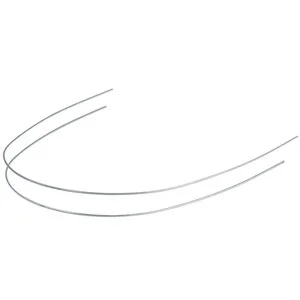
As low as
$23.86
As low as
$6.34

As low as
$9.29
As low as
$20.93

What are the benefits of orthodontics?
Orthodontic treatment offers functional, esthetic, and long-term benefits, going beyond straightening teeth to support oral health. The main benefits of orthodontics include:
- Improved Oral Hygiene: Straight, properly spaced teeth are much easier to clean, which drastically reduces the risk of plaque accumulation, dental caries, and periodontal disease.
- Optimized Masticatory Function: A properly aligned bite ensures an even distribution of chewing forces. This reduces premature enamel wear and can prevent tooth chipping or fracturing.
- TMJ Health: Correcting severe malocclusions can alleviate excessive stress on the temporomandibular joint, potentially lessening jaw pain, clicking, and associated tension headaches.
- Enhanced Esthetics and Confidence: A properly aligned, esthetic smile dramatically improves facial symmetry and proportion, which consistently leads to increased self-esteem and psychosocial well-being.
- Speech Improvement: Severe bite discrepancies, such as open bites or severe underbites, can interfere with normal speech patterns; correcting these issues often resolves speech impediments.
What are the common problems treated by orthodontists?
Orthodontic treatment is highly versatile, capable of resolving a wide spectrum of dental and skeletal discrepancies. Dental professionals utilize comprehensive orthodontic supplies to address both minor esthetic concerns and complex functional disruptions. The most common problems treated include:
- Crowding: Occurs when there is insufficient space in the dental arch for all the teeth to erupt properly, leading to overlapping, rotated, or out-of-alignment teeth.
- Spacing (Diastema): Excessive space between the teeth, often caused by missing teeth, undersized teeth, or a difference in jaw size.
- Overjet (Protrusion): The horizontal projection of the upper anterior teeth significantly beyond the lower anterior teeth, increasing the risk of dental trauma.
- Overbite (Deep Bite): A vertical discrepancy where the upper front teeth excessively overlap the lower front teeth, sometimes causing the lower teeth to bite into the palatal tissue.
- Underbite: A condition where the lower jaw and teeth protrude ahead of the upper jaw, commonly requiring skeletal intervention or expanders.
- Crossbite: Occurs when one or more upper teeth bite inside the lower teeth, leading to asymmetrical jaw growth and uneven tooth wear.
- Open Bite: A lack of vertical overlap between the upper and lower anterior teeth when the posterior teeth are in occlusion, frequently caused by thumb sucking or tongue thrusting habits.
What categories of comprehensive orthodontic supplies are available?
Choosing orthodontic supplies requires understanding clinical uses, material properties, and component compatibility to ensure optimal results.
Bracket Systems
Brackets play an important role in fixed orthodontic treatment, influencing friction, control, and patient comfort.
- Metal brackets deliver durability and comfort with low profiles for precise results.
- Ceramic brackets offer an esthetic, stain-resistant option that blends with teeth and protects enamel.
- Lingual brackets provide total invisibility and require precise placement.
- Self-ligating systems replace elastics with clips, lowering friction, speeding adjustments, and advancing efficiency.
High-Performance Archwires
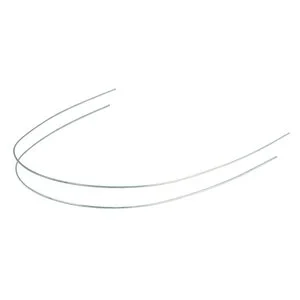
Archwires serve as the engine of orthodontic tooth movement, delivering the continuous, controlled forces required to reposition teeth. Orthodontic supplies inventory must include a comprehensive sequence of archwires designed for the various phases of treatment.
- Nickel-Titanium (NiTi) archwires offer gentle, continuous forces with shape memory and superelasticity, making them appropriate for early alignment—copper-infused NiTi options remain flexible for easy placement in crowded cases, then activate at body temperature for efficient tooth movement.
- Stainless Steel archwires provide strength and stability during the working and finishing phases, delivering a reliable arch form and enabling precise bends, loops, and modifications for detailed finishing tasks.
- Beta-Titanium (TMA) archwires deliver an optimal mix of flexibility and control, applying lighter forces than stainless steel and greater formability than NiTi—perfect for customized finishing bends and cases requiring a gentle touch.
Buccal Tubes and Orthodontic Bands
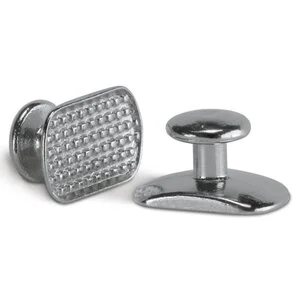
Secure anchorage is critical for successful orthodontic outcomes. Buccal tubes, whether directly bonded to the molars or welded to orthodontic bands, provide the posterior stability necessary for wire engagement and auxiliary attachment.
- Direct bondable buccal tubes use anatomically shaped mesh pads for a precise fit on molars, feature a low-profile design to minimize tissue irritation, and are available in single-, double-, or triple-tube options to support various treatment needs.
- Orthodontic bands deliver dependable retention for cases needing strong forces, with pre-contoured bands that fit securely when paired with high-quality glass ionomer cement for a lasting, washout-resistant seal.
What essential instruments and clinical accessories are used in orthodontics?
The execution of precise orthodontic adjustments requires specialized instruments. Professional-grade orthodontic pliers, cutters, and intraoral tools are made for durability, ergonomics, and exacting performance. Essential orthodontic tools include:
- Cutters, Weingart pliers, and wire-bending instruments. Distal end cutters trim archwire ends safely to avoid patient injury, while ligature cutters make quick, precise cuts on ligatures and chains.
- Bracket placement tweezers, direct bond holders, and positioning gauges ensure accuracy. Stainless steel instruments retain sharpness and resist corrosion through repeated sterilizations.
- Orthodontic procedures frequently require specialized handpieces and rotary instruments. High-speed and low-speed handpieces are used for everything ranging from initial tooth preparation and pumicing to the final removal of composite adhesive during debonding.
- Interproximal Reduction (IPR) creates precise space between teeth, often needed with clear aligners. Reliable IPR systems—abrasive strips, diamond discs, and safe-ended burs—help avoid extractions in crowded cases.
What products support orthodontic patient care and compliance?
Orthodontic treatment demands a high level of patient compliance, notably regarding oral hygiene and appliance maintenance. Equipping patients with the right at-home care solutions is key to preventing decalcification, gingivitis, and prolonged treatment times.
Orthodontic Toothbrushes and Flossers
- Orthodontic toothbrushes feature V-shaped bristles to clean around brackets and wires.
- Specialized orthodontic flossers and threaders make daily interdental cleaning with braces easier and more effective.
- Water flossers and oral irrigators help remove debris from hard-to-reach areas, supporting thorough oral hygiene.
Comfort and Maintenance Solutions
- Relief wax provides quick relief from soft-tissue irritation caused by brackets or wires.
- Providing comfort solutions reduces emergency calls and demonstrates a commitment to patient care.
- Cleaning crystals or foams keeps clear aligners and removable appliances fresh and hygienic.
- Daily fluoride treatments protect enamel and help prevent white spot lesions during orthodontics.