
Filter Products
Filter Products
Pharmaceutical Products

As low as
$73.13



As low as
$58.97



As low as
$66.49
As low as
$61.39


As low as
$188.84

As low as
$63.99

As low as
$49.05

As low as
$56.49

What are the most common pharmaceutical products used in dentistry and how do they support patient care?
Dentistry depends on specialized pharmaceuticals to keep procedures safe, effective, and comfortable. Core categories include pain management, infection control, and emergency medications. Topical and local anesthetics support routine treatment, while antibiotics and antivirals help manage oral infections and related complications. Practices also need emergency drugs on hand to respond quickly to serious events such as allergic reactions or cardiovascular issues. Understanding the primary pharmaceutical categories ensures practices maintain an efficient, well-rounded inventory:
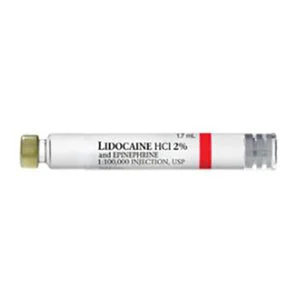
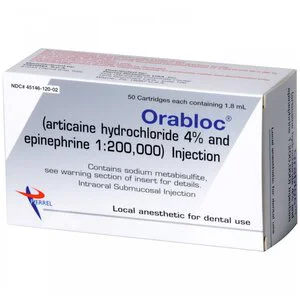
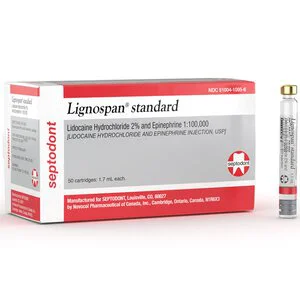
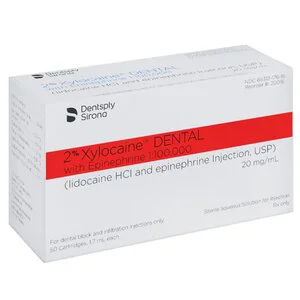
- Injectable Local Anesthetics: The primary tools for achieving profound numbness, available in various formulations including lidocaine, articaine, and mepivacaine, often combined with a vasoconstrictor like epinephrine.
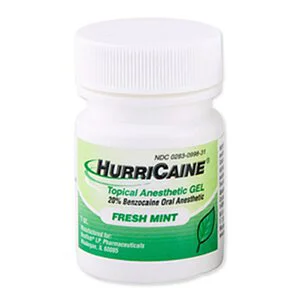
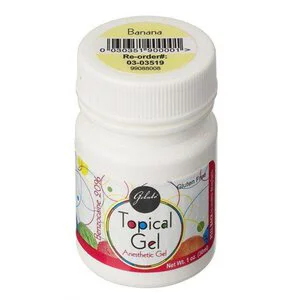
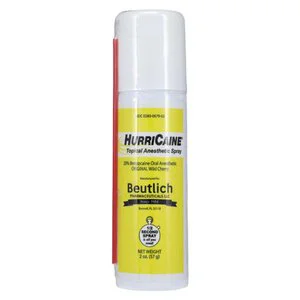
- Topical Anesthetics: Gels, ointments, or sprays applied directly to the oral mucosa to lessen initial pain from needle penetration, providing an effective first step in patient comfort.
- Antibiotic and Antiviral Medications: Essential therapeutics used to treat bacterial infections, periodontal disease, and oral viral outbreaks while supporting faster healing and helping reduce the possibility of complications and cross-contamination during dental procedures.
- Emergency Pharmaceuticals: Critical, life-saving medications housed within a dedicated medical kit, designed to stabilize patients experiencing sudden medical crises during their visit.
What are the types of anesthetic injections?
Dentists choose the injection method based on the tooth and procedure, using infiltration, field block, or nerve block techniques such as the inferior alveolar nerve block for mandibular treatment. To successfully manage patient pain, practices rely on these core injection techniques and cartridge systems:
- Local Infiltration: The anesthetic is placed near the smaller terminal nerve endings, providing localized numbness ideal for minor procedures on individual maxillary teeth.
- Nerve Block Injections: The solution targets a primary nerve trunk, yielding deep, long-acting numbness over a larger quadrant of the mouth, essential for extensive restorative work or extractions in the mandible.
- Intraligamentary (PDL) Injections: A specialized technique where the anesthetic is injected directly into the periodontal ligament space, often utilized as a supplemental injection when a nerve block fails to achieve profound anesthesia.
- Anesthetic Cartridge Composition: Standardized carpules contain the active anesthetic drug, a vasoconstrictor (like epinephrine) to keep the solution localized, sodium metabisulfite as an antioxidant, and sodium chloride for isotonicity.
- Syringe Compatibility: Cartridges integrate seamlessly with standard aspirating dental syringes, providing safe, precise delivery.
How do dental professionals choose between anesthetic cartridges?
Choosing anesthetic cartridges means balancing patient safety, procedure length, and cost. Lidocaine remains the standard for its proven safety, reliable performance, and moderate duration. Articaine is commonly preferred for specialized procedures because its higher lipid solubility helps it diffuse through dense bone, and its shorter half-life aids faster clearance. For patients who should avoid vasoconstrictors, 3% mepivacaine without epinephrine is a useful short-acting option. Prilocaine also offers flexibility, delivering a strong block with lower epinephrine requirements. Trusted brands such as Henry Schein Brand, Cook-Waite, Lignospan, and Septodont offer dependable quality while helping practices manage costs.
When evaluating anesthetic options for the practice, consider the following product differentiators:
- Lidocaine 2% (with Epinephrine): The foundational local anesthetic providing reliable, medium-duration numbness suitable for the vast majority of routine restorative dental procedures.
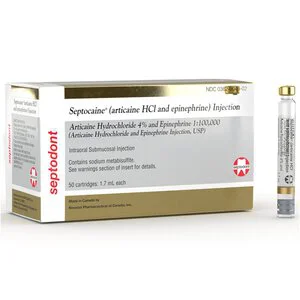
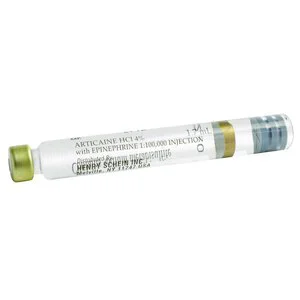
- Articaine 4% (with Epinephrine): Highly effective for infiltrating dense bone, known for rapid onset and a shorter half-life, though generally priced slightly higher than standard lidocaine.
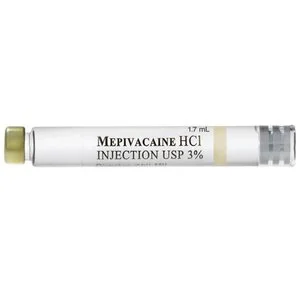
- Mepivacaine 3% (Plain): The ideal solution for patients with cardiovascular contraindications or those requiring shorter-duration procedures where a vasoconstrictor is unnecessary or unsafe.
- Prilocaine 4%: A versatile alternative that can provide long-acting anesthesia for extensive procedures, particularly when using a nerve block technique.
What is the most common topical anesthesia used and can 2% lidocaine be used topically?
Topical anesthetics are the first step in reducing injection pain by numbing the oral mucosa before local anesthesia. In dental practice, 20% benzocaine is the most common choice because it works quickly—usually within 30 seconds to two minutes—and has minimal systemic absorption.
Lidocaine is also a proven topical option. Used in 2% to 5% concentrations as a gel, ointment, or spray, it can be a strong alternative for patients with ester anesthetic allergies, since it is amide-based. OTC topical anesthetics may deliver temporary relief for minor oral pain, whereas professional formulations are designed to stay in place and deliver the surface numbness needed for clinical procedures.
To maximize patient comfort during the initial stages of treatment, practices utilize several topical strategies:
- Benzocaine 20% Gel: The industry standard for pre-injection numbing, offering rapid onset, minimal toxicity, and available in a wide variety of patient-friendly flavors.
- Lidocaine 5% Ointment: The primary alternative for patients with ester allergies, providing profound topical numbness utilizing an amide-based chemical structure.
- Tetracaine Formulations: Often combined with other agents in specialized topical solutions, utilized when longer-acting surface anesthesia is required for localized periodontal therapies.
- Professional vs. Over-the-Counter: Clinical topical anesthetics have higher viscosity and more targeted delivery than OTC at-home remedies, helping keep the solution effective and safe.
- Application Protocol: Proper technique involves drying the mucosa before application to prevent dilution, making sure the gel provides the most effective and profound surface numbing possible.
What essential items should a dental practice include in an emergency medical kit, and what are their primary uses?
Dental offices need a fully stocked, current emergency medical kit because emergencies can happen at any time. The best kits are clearly organized, labeled, and checked for expired medications, with critical drugs easy to access under pressure. Unlike basic first aid supplies, a dental medical kit is built to stabilize patients until EMS arrives.
Industry guidelines identify 10 core items every practice should have: epinephrine, diphenhydramine, oxygen with positive-pressure delivery, nitroglycerin, albuterol, aspirin, an oral carbohydrate, aromatic ammonia, emergency syringes, and CPR pocket masks.
To ensure the practice is prepared for any life-threatening health emergency, the medical kit must include:
- Epinephrine (Injectable): The most critical emergency drug, used to immediately reverse the effects of severe anaphylaxis and acute, life-threatening allergic reactions.
- Histamine Blocker: Injectable or oral diphenhydramine utilized to manage delayed or mild allergic responses that do not compromise the airway.
- Nitroglycerin (Spray or Tablets): Administered sublingually to quickly dilate blood vessels and manage acute angina or suspected early-stage heart attacks.
- Bronchodilator (Albuterol): An essential inhaler used to manage sudden asthmatic attacks or bronchospasms triggered during dental procedures.
- Aspirin, Oxygen, and Carbohydrates: Critical immediate-response items for managing suspected myocardial infarctions, respiratory distress, and sudden hypoglycemic episodes in diabetic patients.
What other dental pharmaceutical products should practices keep on hand?
Dental practices frequently stock additional pharmaceutical products to support patient care, comfort, and day-to-day treatment needs, including:
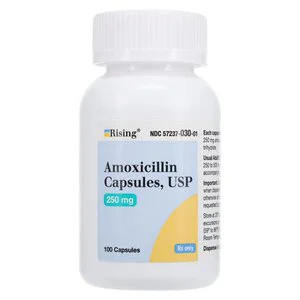
- Antibiotics & Antivirals: Antibiotics and antiviral pharmaceuticals treat different types of infections. Antibiotics manage or prevent certain bacterial infections, while antivirals support patients who may need treatment for virus-related oral health concerns.
- OTC Allergy & Pain Relief: To support patient comfort by helping address mild allergic reactions, seasonal allergy symptoms, and short-term discomfort associated with dental procedures or oral conditions.
Keeping these product categories in mind can help dental practices stay prepared, support efficient care, and create informed purchasing decisions.