
Filter Products
Filter Products
Isolation & Evacuation Products


As low as
$5.83










What are the main types of isolation and evacuation products in dentistry?
Dental practices rely on a diverse ecosystem of moisture control tools. Maintaining a dry field improves visibility, improves the bond strength of dental materials, and decreases the risk of cross-contamination. When evaluating inventory needs, clinical teams generally categorize these tools into three essential groups:
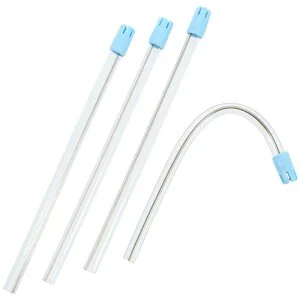
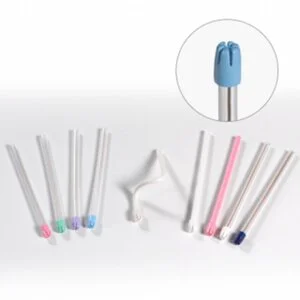
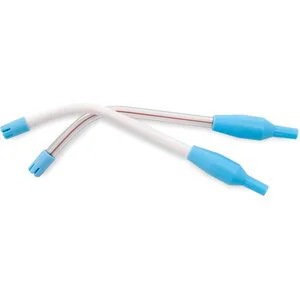
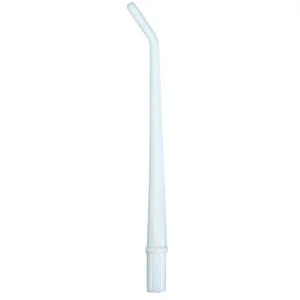
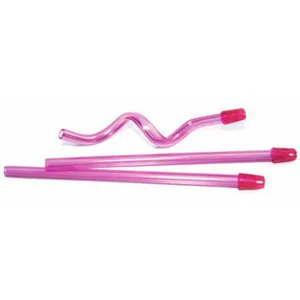
- Saliva Ejectors: These are low-volume suction devices designed for continuous, gentle moisture removal. They rest comfortably in the patient's mouth to manage pooling saliva and cooling water during routine dental procedures without aggressive suctioning.
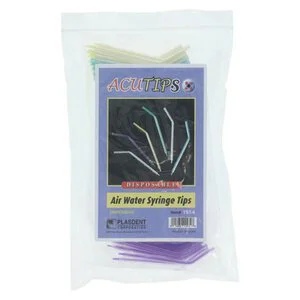
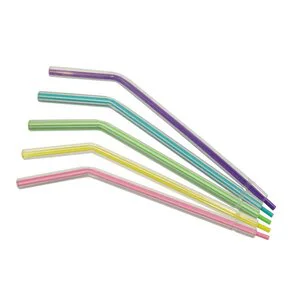
- Air/Water Syringes: These precision handpieces deliver targeted streams of compressed air, water, or a specialized mist. They are utilized to clear debris from the preparation site, dry tooth surfaces for adhesive bonding, and thoroughly rinse the oral cavity.
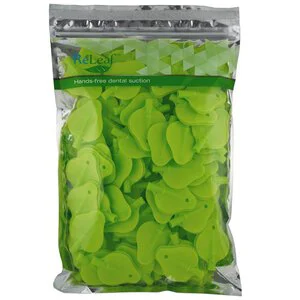
- Specialty Suction Systems: These consist of advanced high-volume evacuation (HVE) systems and all-in-one isolation devices. Brands offering all-in-one configurations commonly integrate bite blocks, tongue shielding, and robust suction to provide unparalleled visibility and isolation throughout complex restorative or surgical work.
What are common dental isolation methods and materials?
Proper dental isolation prevents oral fluids from compromising restorative materials, protects the patient's airway, and retracts soft tissue to improve visibility. Selecting the correct method depends on the procedure's duration, the required level of isolation, and patient tolerance. The three most common isolation methods utilized in contemporary dentistry include:
- Rubber Dam Isolation: Dental dams—available in latex and non-latex materials—completely isolate the target teeth, creating an aseptic, dry field while protecting the patient from aspirating small instruments or harsh chemical cleaners.
- Cotton Rolls and Dry Angles: Traditional, highly cost-effective isolation materials used for short-duration procedures. Cotton rolls absorb pooling saliva in the vestibules, while dry angles (triangular moisture-absorbent pads) are placed directly over the parotid gland to block saliva duct flow.
- All-In-One Isolation Systems: Advanced specialty suction systems like ReLeaf and DryShield provide simultaneous isolation, retraction, and high-volume evacuation. These systems make use of flexible, often autoclavable or disposable mouthpieces that serve as a bite block, tongue retractor, and continuous suction hub. They are especially useful for hygienists working without an assistant or during lengthy restorative appointments.
How do isolation and evacuation supplies impact operatory efficiency and clinical standards?
Effective management of moisture and debris plays an important role in maintaining operatory efficiency, patient comfort, and clinical consistency. Reliable isolation supports clear vision in the field, aids adherence to infection control protocols, and minimizes procedural disruptions.
Through prioritizing dependable evacuation and isolation systems, dental practices elevate chairside productivity, safeguard clinical outcomes, and support an effortless experience for both the dental team and the patient.