
Filter Products
Filter Products
Handpieces



As low as
$220.42









As low as
$229.56
What is the difference between high-speed and low-speed dental handpieces?
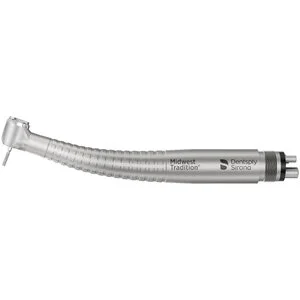
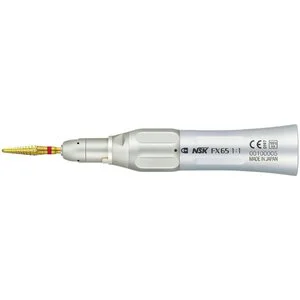
High-speed dental handpieces are designed for rapid, precise cutting and are commonly used for restorative procedures such as cavity and crown preparation and removal of existing restorative material. Low-speed dental handpieces operate at lower rotational speeds and provide controlled performance for procedures such as finishing, polishing, and prophylaxis. The appropriate handpiece depends on the clinical procedure, desired speed and torque, bur or attachment compatibility, and the manufacturer's recommended use.
What are high-speed dental handpieces used for?
High-speed dental handpieces provide efficient cutting performance for many restorative procedures. Common applications include:
- Preparing teeth for crowns and restorations with controlled, efficient reduction that supports a precise fit and consistent clinical results.
- Cutting enamel and dentin during cavity preparation with the speed and accuracy dentists need to maintain workflow and preserve confidence.
- Removing existing restorative materials cleanly to help simplify replacement procedures and support a smooth treatment experience.
- Adjusting tooth and restorative surfaces for refined shaping, finishing, and overall treatment accuracy.
- Performing procedures that require fast, precise cutting while helping practices balance clinical performance, efficiency, and everyday value.
Dental professionals should select a high-speed handpiece based on clinical application, head size, torque, illumination, bur compatibility, and whether an air-driven or electric system best meets the practice's needs.
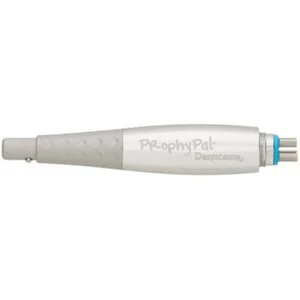
What is a hygienist handpiece used for?
A hygienist handpiece, or hygiene handpiece, is designed primarily for preventive procedures such as polishing during dental prophylaxis. Features vary by model, but dental professionals may consider:
- Lightweight, ergonomic designs that can help support clinician comfort during repetitive hygiene procedures.
- Compatibility with appropriate prophy angles and attachments.
- Corded, air-driven, or cordless configurations, depending on the system.
- Autoclavable components and manufacturer-specified reprocessing requirements.
- Handpiece size, balance, and handling characteristics suited to the hygienist's workflow.
Selecting the right hygienist handpiece can help support an efficient hygiene operatory and comfortable handling throughout the workday.
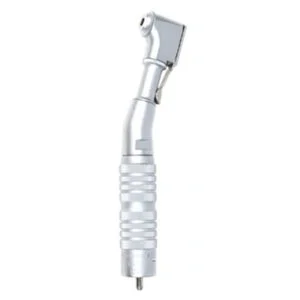
What is a contra angle dental handpiece?
A contra angle handpiece is designed with an angled head that helps dental professionals access areas of the oral cavity that may be difficult to reach with a straight handpiece. Depending on its design and gear ratio, a contra angle may be used for procedures such as caries removal, tooth and crown preparation, finishing, polishing, or other restorative applications. When selecting a contra angle handpiece or attachment, clinicians should confirm motor, bur, and attachment compatibility and follow the manufacturer's indicated applications.
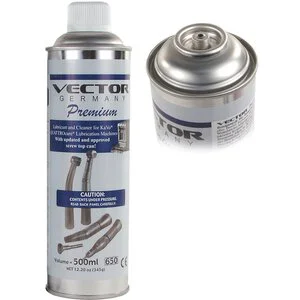
How should dental handpieces be cleaned, lubricated, and maintained?
Proper dental handpiece maintenance helps support reliable performance and handpiece longevity. Dental professionals should always follow the handpiece manufacturer's validated instructions for cleaning, lubrication, sterilization, and routine maintenance. General considerations include:
- Clean and reprocess reusable handpieces and appropriate attachments between patients according to manufacturer instructions.
- Lubricate handpieces only as directed by the manufacturer, since requirements can differ by handpiece model.
- Heat-sterilize reusable dental handpieces and associated intraoral attachments between patients according to validated manufacturer instructions.
- Inspect O-rings, turbines, couplers, and other components regularly for wear or lowered performance.
- Use compatible handpiece lubricants, maintenance systems, and replacement parts specified for the equipment.